
AMD Market Share Surge: Record x86 Gains in Server, Desktop, and Mobile
The latest data from Mercury Research confirms a major shift in the x86 CPU landscape. AMD has reached record-breaking market share across server, desktop, and mobile segments—marking one of the most significant competitive moments in modern CPU history.
While Intel still leads in total unit volume, AMD is increasingly capturing the high-margin segments, translating into a disproportionately strong share of total revenue.
📊 Q4 2024 Market Share Breakdown #
| Segment | Unit Share (Qty) | Revenue Share ($) | Primary Growth Drivers |
|---|---|---|---|
| Server | 25.1% | 35.5% | EPYC “Turin” (Zen 5), Genoa, Bergamo |
| Mobile | 23.7% | 21.6% | Ryzen AI “Strix Point”, efficiency gains |
| Desktop | 27.1% | 27.3% | Ryzen 7 7800X3D / 9800X3D |
| Overall x86 | 24.7% | 28.2% | Balanced portfolio strength |
🚀 Key Insights: Why AMD Is Winning #
🏢 Data Center Dominance #
The most critical metric is AMD’s 35.5% server revenue share. This indicates strong traction in high-value deployments.
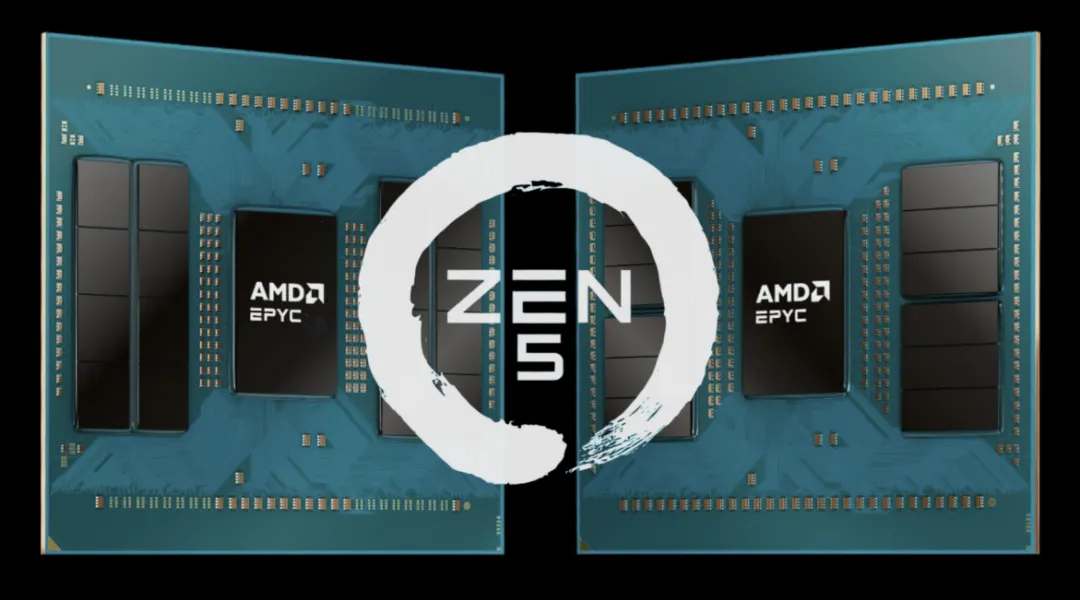
- EPYC “Turin” (Zen 5): Leading in core density and efficiency
- Cloud Adoption: Hyperscalers prioritize performance-per-watt
- Linux Optimization: Advanced P-state tuning improves efficiency and TCO
Takeaway: AMD is not just selling CPUs—it’s selling lower operational cost at scale.
⚠️ Intel’s Stability Challenges #
AMD’s rise has been accelerated by issues on the competing side:
- Instability concerns in Intel 13th/14th Gen platforms
- Reduced confidence among system integrators and enthusiasts
- Migration toward the more stable AM5 ecosystem
This created a rare window where trust became a competitive advantage.
🎮 The X3D Halo Effect #
AMD’s dominance in gaming continues to shape perception and pricing power.
- Ryzen 7 7800X3D / 9800X3D: Widely regarded as top gaming CPUs
- Massive L3 cache reduces memory bottlenecks
- Maintains high ASPs (Average Selling Prices)
Impact: Even with moderate unit growth, AMD captures more revenue per chip.
🤖 The AI PC Pivot #
AMD’s mobile strategy is increasingly aligned with the AI era:
- Integration of NPU (Neural Processing Units)
- Competitive positioning vs Intel Core Ultra
- Alignment with Windows 11 AI features (e.g., Copilot+)
This positions AMD strongly in the emerging AI PC category.
🔮 The Road Ahead #
Looking forward, the competitive landscape remains dynamic:
- Intel’s Lunar Lake and Arrow Lake aim to regain ground
- AMD’s Zen 6 roadmap continues to build momentum
- Data center share will likely remain the key battleground
🧾 Summary #
AMD’s record-breaking quarter reflects a broader strategic shift:
- Server: Winning high-margin enterprise workloads
- Desktop: Owning the gaming performance crown
- Mobile: Leading early in AI-enabled PCs
The result is clear: AMD is no longer just competing on price—it is competing on value, efficiency, and platform leadership.