CXMT Unveils DDR5 at 8000 Mbps and LPDDR5X at 10667 Mbps
ChangXin Memory Technologies (CXMT) has expanded its next-generation DRAM portfolio with high-speed DDR5 memory reaching 8000 Mbps and LPDDR5X reaching 10667 Mbps, targeting applications ranging from data-center infrastructure and high-performance PCs to laptops and mobile devices.
The new products, showcased at IC China 2025, represent a significant expansion in both memory performance and density. CXMT’s DDR5 lineup reaches 24Gb per die, while its LPDDR5X products offer capacities of up to 16Gb per die.
Beyond individual DRAM chips, CXMT is also developing a broad range of memory modules and compact mobile-memory solutions, signaling an effort to compete across multiple segments of the global DRAM market rather than focusing on a single product category.
🚀 DDR5 Performance Reaches 8000 Mbps #
CXMT’s latest DDR5 products reach a data rate of 8000 Mbps, representing a substantial step above the 6400 Mbps speed commonly associated with mainstream DDR5 implementations.
At 8000 Mbps, the memory provides approximately 25% more raw transfer rate than 6400 Mbps DDR5.
Higher memory speed can increase available bandwidth for workloads that frequently move large amounts of data between the processor and DRAM, including:
- AI and machine-learning workloads.
- Database processing.
- Virtualization.
- Scientific computing.
- Content creation.
- High-end gaming.
- Memory-intensive workstation applications.
However, raw DRAM speed is only one component of overall system performance. Actual gains depend on memory-channel configuration, CPU architecture, memory timings, workload characteristics, and the platform’s memory controller.
24Gb DRAM Dies Increase Density #
CXMT’s new DDR5 generation also reaches 24Gb per die, equivalent to 3GB of raw capacity per DRAM die.
Higher-density dies allow memory manufacturers to build larger-capacity modules using fewer physical components.
This is particularly important for servers and AI infrastructure, where memory capacity is becoming increasingly important as workloads grow.
For example, higher-density DRAM can help manufacturers build large-capacity server modules while reducing the number of individual memory components required to reach a given capacity.
🏢 Seven DDR5 Module Types Target Multiple Markets #
CXMT is not limiting its DDR5 products to a single module format.
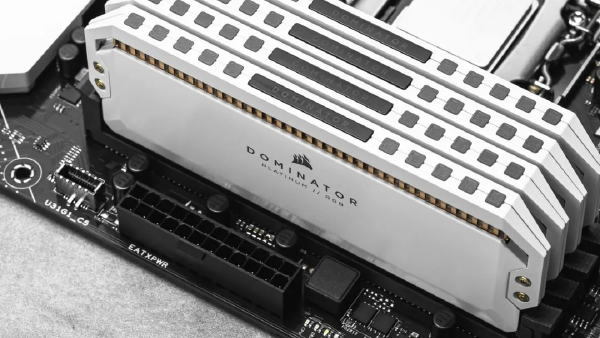
The company has introduced seven DDR5 module types, covering enterprise servers, desktops, laptops, workstations, and enthusiast systems.
The portfolio includes:
| Module | Primary Target |
|---|---|
| RDIMM | Servers and enterprise systems |
| MRDIMM | High-performance data centers |
| TFF MRDIMM | Advanced server and memory-intensive platforms |
| UDIMM | Desktop PCs |
| SODIMM | Laptops and compact systems |
| CUDIMM | High-performance and enthusiast PCs |
| CSODIMM | Performance-oriented compact systems |
This broad portfolio is strategically important because different computing platforms require substantially different memory architectures.
Servers prioritize capacity, reliability, bandwidth, and scalability, while consumer PCs place greater emphasis on compatibility, latency, frequency, power consumption, and cost.
CUDIMM and CSODIMM Expand the Performance Portfolio #
CXMT’s inclusion of CUDIMM and CSODIMM demonstrates a particular focus on high-performance client systems.
Clocked memory modules such as CUDIMM incorporate additional clock-driver functionality intended to improve signal integrity at higher operating frequencies.
These designs are increasingly relevant as DDR5 speeds move beyond conventional mainstream configurations.
For enthusiast desktops and performance workstations, higher-frequency memory can provide additional bandwidth for applications that are sensitive to memory throughput.
📱 LPDDR5X Reaches 10667 Mbps #
CXMT is also expanding its low-power DRAM portfolio with LPDDR5X products reaching up to 10667 Mbps.
LPDDR5X is designed for devices where memory bandwidth must increase without imposing the power consumption associated with conventional desktop or server DRAM.
That makes it particularly important for:
- Smartphones.
- Tablets.
- Thin-and-light laptops.
- AI PCs.
- Embedded systems.
- Edge computing devices.
CXMT’s LPDDR5X portfolio reportedly reaches 16Gb per die, providing higher density alongside increased transfer rates.
Multiple LPDDR5X Speed Grades #
CXMT’s LPDDR5X products cover several performance levels:
- 8533 Mbps
- 9600 Mbps
- 10667 Mbps
The 8533 Mbps and 9600 Mbps variants entered mass production in May 2025, while the 10667 Mbps version had reached customer-sampling stage.
All three speed grades are designed to maintain compatibility with the broader LPDDR5 ecosystem, allowing device manufacturers to select different performance levels depending on platform requirements.
🧩 From DRAM Dies to Complete Mobile Modules #
CXMT’s LPDDR5X strategy extends beyond individual memory dies.
The company has reportedly reached mass production for:
- 12Gb LPDDR5X dies.
- 16Gb LPDDR5X dies.
- 12GB memory packages.
- 16GB memory packages.
- 24GB memory packages.
- 16GB LPCAMM modules.
- 32GB LPCAMM modules.
This product range allows CXMT to address both conventional mobile applications and newer memory architectures for compact computing platforms.
LPCAMM is particularly relevant to modern laptops because it provides a more modular alternative to traditional soldered LPDDR implementations while maintaining a compact physical footprint.
Ultra-Thin LPDDR5X Targets Compact Devices #
CXMT has also revealed development of an ultra-thin 0.58mm LPDDR5X package.
If it reaches mass production at the stated dimensions, the package could establish an industry-leading thickness for DRAM.
Reducing package thickness can help device manufacturers optimize internal layouts, particularly in thin laptops, smartphones, and other space-constrained hardware.
However, thinner packaging introduces additional engineering challenges involving thermal behavior, mechanical reliability, signal integrity, and manufacturing tolerances.
🏭 Mass Production and Customer Sampling #
CXMT’s product roadmap shows that different LPDDR5X speed grades are at different stages of commercialization.
The 8533 Mbps and 9600 Mbps variants have already entered mass production, while the higher-performance 10667 Mbps product is undergoing customer sampling.
This distinction is important.
Customer sampling means manufacturers can begin evaluating the memory in real hardware, but it does not necessarily indicate broad commercial availability.
Before a memory product enters high-volume deployment, customers generally need to complete qualification involving:
- Platform compatibility.
- Electrical stability.
- Thermal performance.
- Power consumption.
- Reliability.
- Manufacturing consistency.
- Long-duration stress testing.
Successful qualification is therefore a critical step between product demonstration and widespread adoption.
🌏 CXMT Expands Its DRAM Product Stack #
CXMT’s latest releases demonstrate how its product portfolio has expanded across multiple generations and market segments.
The company’s DRAM lineup now spans technologies including:
- DDR4.
- LPDDR4X.
- LPDDR5.
- LPDDR5X.
- DDR5.
This broader portfolio gives CXMT exposure to both established markets and higher-growth segments such as AI infrastructure, high-performance computing, mobile devices, and next-generation PCs.
The strategic importance lies not only in achieving competitive peak speeds but also in developing the manufacturing capacity, packaging technologies, and module ecosystem required to supply customers at scale.
Competing Across Multiple Memory Markets #
The global DRAM market is highly concentrated, with Samsung, SK Hynix, and Micron maintaining dominant positions across major memory categories.
Competing effectively requires more than matching a headline transfer rate.
Memory suppliers must simultaneously address:
- Process technology.
- Yield.
- Density.
- Power efficiency.
- Packaging.
- Module design.
- Customer qualification.
- Manufacturing capacity.
- Cost competitiveness.
CXMT’s increasingly broad product portfolio suggests that the company is pursuing this complete supply-chain approach.
🤖 DRAM Bandwidth Becomes Increasingly Important for AI #
The timing of CXMT’s DDR5 and LPDDR5X expansion is significant because AI workloads are placing additional pressure on memory subsystems.
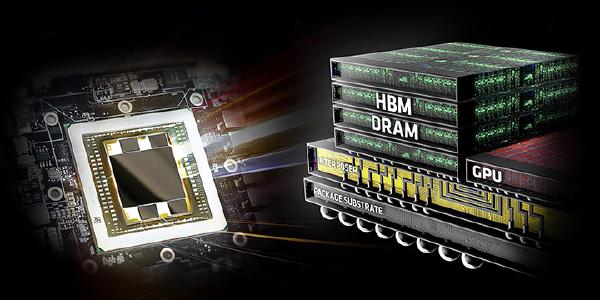
Modern AI systems can move enormous volumes of data between processors and memory. While specialized high-bandwidth memory remains critical for leading AI accelerators, conventional DRAM continues to play an important role in CPUs, servers, host systems, and AI PCs.
Higher-speed DDR5 can improve memory bandwidth for server and workstation platforms, while LPDDR5X provides a path toward higher bandwidth in power-constrained devices.
The result is a broader industry trend toward increasing both memory capacity and memory bandwidth alongside compute performance.
📊 DDR5 and LPDDR5X at a Glance #
| Technology | Maximum Reported Speed | Maximum Die Capacity | Key Targets |
|---|---|---|---|
| DDR5 | 8000 Mbps | 24Gb | Servers, PCs, workstations |
| LPDDR5X | 10667 Mbps | 16Gb | Mobile devices, laptops, AI PCs |
| LPDDR5X | 9600 Mbps | 16Gb | Mobile and compact computing |
| LPDDR5X | 8533 Mbps | 16Gb | Mobile and compact computing |
The specifications highlight CXMT’s strategy of pushing performance and density simultaneously rather than relying exclusively on frequency improvements.
🔍 The Bottom Line #
CXMT’s latest memory portfolio represents a significant expansion of its presence in high-performance DRAM.
The company’s new DDR5 products reach 8000 Mbps and up to 24Gb per die, while its LPDDR5X lineup reaches 10667 Mbps and up to 16Gb per die.
The seven DDR5 module formats further broaden the company’s reach across servers, enterprise systems, desktops, laptops, and performance PCs. Meanwhile, its LPDDR5X portfolio covers multiple speed grades, higher-capacity packages, LPCAMM modules, and an ultra-thin package design.
The most important development is the combination of speed, density, packaging, and product breadth.
For CXMT, competing in the global DRAM market will ultimately depend on more than matching the specifications of established suppliers. Consistent yields, competitive pricing, production capacity, customer qualification, and long-term supply reliability will determine how successfully these products transition from technical milestones into large-scale commercial deployments.
If CXMT continues expanding its DDR5 and LPDDR5X production capabilities, its growing portfolio could become increasingly relevant to the global supply of server, PC, laptop, and mobile memory.