
PowerColor RX 9070 XT: RDNA 4’s Sweet Spot GPU
PowerColor’s Radeon RX 9070 XT lineup marks a major step forward for AMD’s mid-to-high-end GPU segment. Built on RDNA 4 (Navi 48 XTX), it combines high clock speeds, improved ray tracing, and AI-driven upscaling—positioning itself as a performance-per-dollar leader for 2025.
⚙️ Core Specifications: 3GHz-Class GPUs Arrive #
The RX 9070 XT pushes AMD into a new frequency tier while maintaining efficient power delivery.
| Feature | Specification |
|---|---|
| Architecture | RDNA 4 (Navi 48 XTX) |
| Stream Processors | 4,096 |
| VRAM | 16GB GDDR6 |
| Memory Bus | 256-bit |
| Bandwidth | 640 GB/s |
| Boost Clock | 2.97 GHz / 3.06 GHz (OC) |
| TBP | 260W |
Key Insight #
Breaking the 3GHz barrier—especially on air cooling—signals a major efficiency improvement for RDNA 4.
🧊 PowerColor Lineup: Three-Tier Strategy #
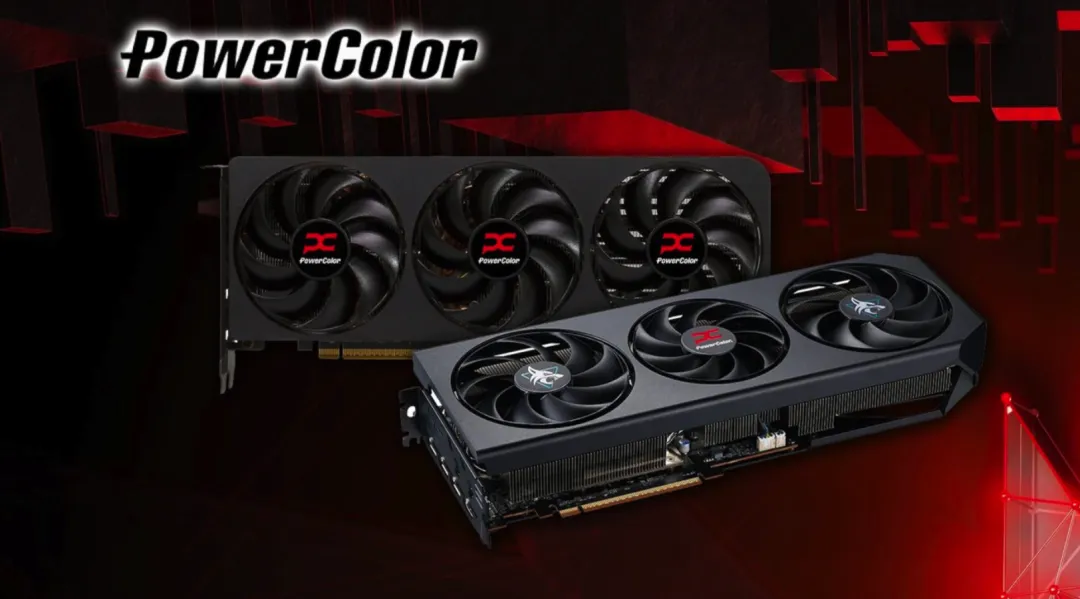
PowerColor segments the RX 9070 XT into three distinct designs:
🔴 Red Devil (Flagship) #
- Massive 2.5-slot cooler
- Premium build with aggressive factory OC
- First to hit 3.06 GHz
- Designed for enthusiasts and overclockers
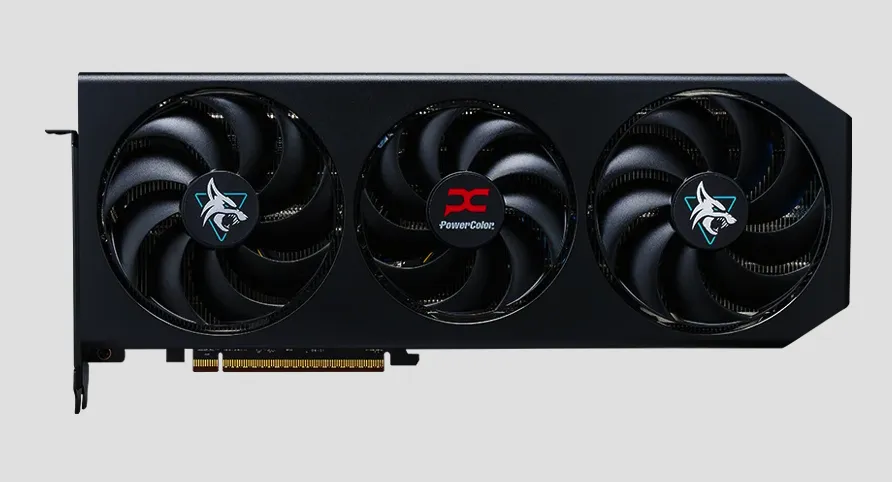
🐺 Hellhound (Balanced) #
- Triple-fan, quieter profile
- Dual-BIOS (Silent / OC modes)
- Focus on stability and thermals
- Ideal for mainstream gamers
⚔️ Reaper (Compact Power) #
- 2-slot design with triple fans
- Optimized for SFF builds
- Rare combination of size + performance
Takeaway: PowerColor is covering everything from extreme builds to compact systems with one GPU silicon.
🎮 Performance Positioning: The 1440p/4K Sweet Spot #
The RX 9070 XT targets the most relevant gaming tiers:
- 1440p Ultra: High-refresh gaming with headroom
- 4K Entry-Level: Playable performance with upscaling
Competitive Outlook #
- ~5% behind RTX 4080 in rasterization (early data)
- Lower power draw (~260W vs higher NVIDIA equivalents)
- Potentially better value depending on pricing
🧠 AI & Ray Tracing: RDNA 4 Evolution #
FSR 4 (AI Upscaling) #
- Moves to hardware-assisted ML
- Improved image quality vs previous FSR
- Competes more directly with DLSS
Ray Tracing Improvements #
- New RT hardware blocks
- Better intersection handling
- Reduced performance penalties in RT-heavy titles
Shift: AMD is no longer just a rasterization leader—it’s closing gaps in AI and RT workloads.
🔌 Power & Compatibility #
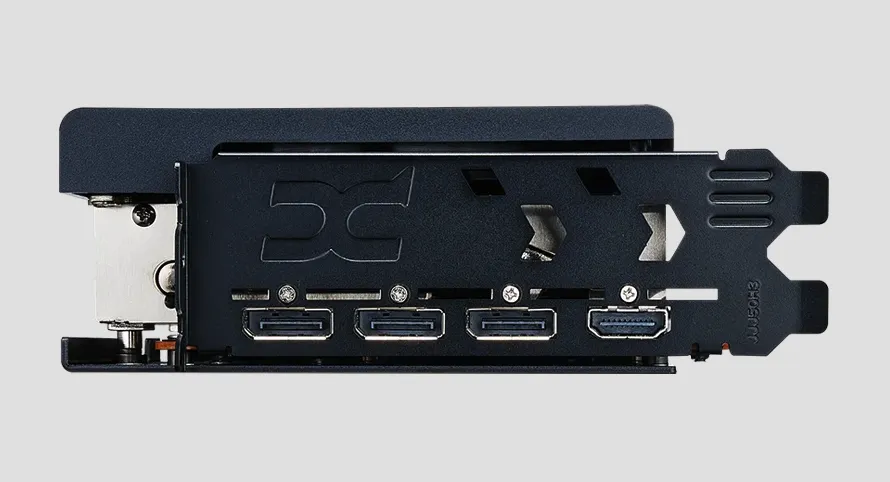
- Dual 8-pin connectors
- No 12VHPWR requirement
- Works with most 750W+ PSUs
Why It Matters #
This makes the RX 9070 XT a true drop-in upgrade—no adapter headaches, no PSU overhaul.
💡 Final Verdict: The Value Champion? #
If pricing lands in the rumored $549–$599 range, the RX 9070 XT could dominate:
- Near high-end performance
- Lower power requirements
- Strong AI + RT improvements
- Wide form-factor compatibility
Bottom Line:
The RX 9070 XT isn’t chasing the absolute top—it’s targeting where most gamers actually live. And that’s exactly why it might become the most important GPU of its generation.