Intel Raises CPU Prices in July 2026: Strategy, Xeon Impact, and Market Outlook
Intel has implemented an uncommon pricing strategy by increasing the Recommended Customer Prices (RCPs) of several consumer and enterprise processors during the middle of their product lifecycle. Rather than following the traditional pattern of gradual price reductions as products mature, the company is raising prices on selected SKUs in response to sustained demand, constrained supply, and rising infrastructure costs.
The move reflects a broader shift in the semiconductor industry, where AI-driven demand and capacity limitations are giving chip vendors greater pricing power. Instead of applying blanket increases across its portfolio, Intel is targeting products with the strongest market momentum and the highest margin potential.
📈 Consumer CPU Pricing: Premium Positioning for Core Ultra “Plus” Models #
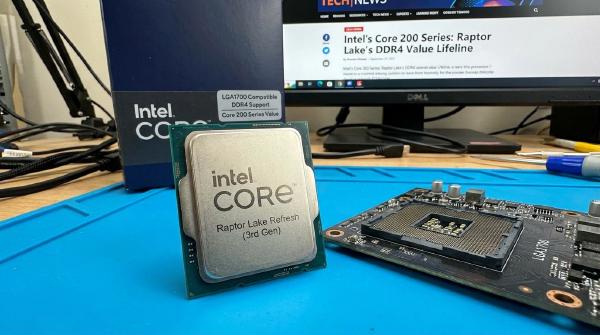
On the desktop side, Intel’s adjustments are narrowly focused on its Arrow Lake-S Core Ultra 200S Plus processors introduced in early 2026.
Updated Recommended Customer Prices #
| Processor | Previous RCP | New RCP | Increase |
|---|---|---|---|
| Core Ultra 7 270K Plus | $299.99 | $349.99 | ~16% |
| Core Ultra 5 250K Plus | $199.99 | $229.99 | ~15% |
The pricing strategy is notably selective.
Intel has not increased prices across its entire desktop lineup. High-end flagship models, including the Core Ultra 9 285K, remain at their existing recommended pricing, while many entry-level processors are unchanged.
This suggests Intel is targeting the segment where:
- Retail demand remains consistently strong.
- Street prices have already exceeded official MSRP.
- Buyers demonstrate relatively low price sensitivity.
- Inventory remains constrained despite mature production.
Rather than maximizing shipment volume, Intel appears to be optimizing profitability on enthusiast-class processors.
🖥️ Xeon Pricing: Enterprise CPUs Return to Premium Territory #
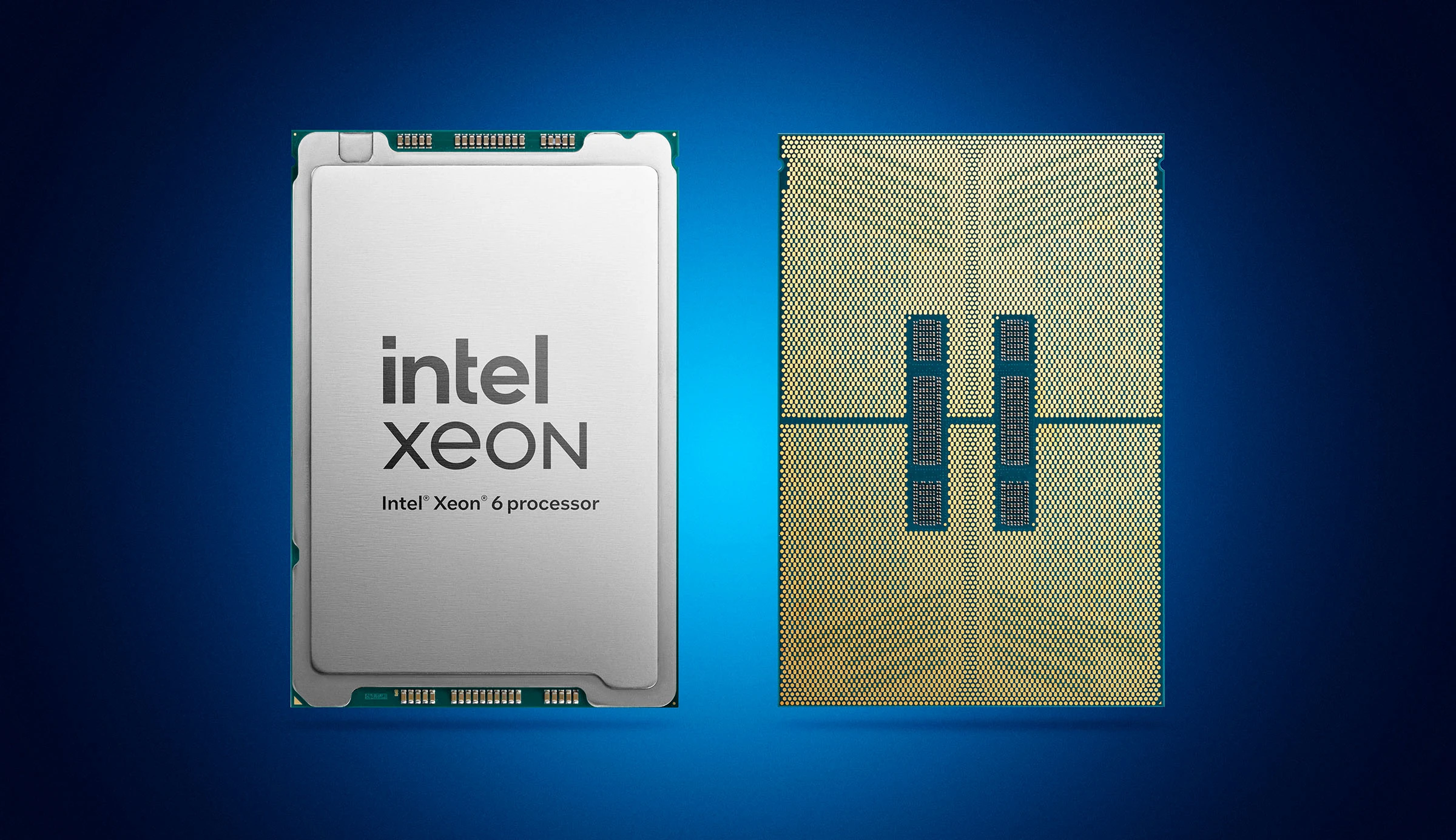
The largest adjustments occur in Intel’s data center portfolio, where several Xeon processors have increased by well over one thousand dollars per unit.
Updated Xeon Pricing #
| Processor | Architecture | Previous RCP | New RCP | Increase |
|---|---|---|---|---|
| Xeon 6980P (128 Cores) | Granite Rapids | $12,460 | $13,955 | +$1,495 (~12%) |
| Xeon 6978P (120 Cores) | Granite Rapids | $11,025 | $12,348 | +$1,323 |
| Xeon 8592+ (64 Cores) | Emerald Rapids | $11,600 | $12,992 | +$1,392 |
These increases reveal two important market trends.
Granite Rapids Recovery #
The Xeon 6 family experienced aggressive pricing adjustments during 2025 as Intel sought to improve competitiveness in the server market.
Although today’s prices remain below the original launch levels introduced in late 2024, they represent a significant rebound as demand for AI infrastructure accelerates.
Emerald Rapids Price Reversal #
Some Emerald Rapids processors have now surpassed their original launch prices from late 2023.
Such pricing reversals are unusual in the CPU industry, where mature enterprise processors traditionally become less expensive over time.
Instead, AI infrastructure growth has extended the commercial lifespan of these platforms and restored pricing leverage.
🔧 What’s Driving the Price Increases? #
Several structural factors are contributing to Intel’s pricing strategy.
Supply Chain Cost Inflation #
During the first half of 2026, component prices increased across multiple areas of the semiconductor supply chain, particularly:
- DRAM
- NAND Flash
- Advanced packaging
- Substrates
- Power delivery components
These higher costs are gradually flowing through the broader PC and server ecosystem, affecting OEMs, system integrators, and enterprise hardware vendors.
As complete system costs rise, processor pricing is increasingly moving in the same direction.
AI Infrastructure Demand #
The explosive expansion of AI data centers is arguably the strongest driver behind Intel’s pricing decisions.
Large cloud providers continue deploying infrastructure for:
- Large language models
- AI inference clusters
- Agentic AI workloads
- Multi-modal computing platforms
Although GPUs receive most industry attention, every AI server still requires powerful host CPUs to manage:
- Operating systems
- Memory allocation
- Storage services
- Network orchestration
- Virtualization
- Scheduling and resource management
This sustained demand has significantly tightened supply for high-core-count Xeon processors.

🏭 Internal Manufacturing Priorities #
An interesting aspect of the pricing adjustments is the distinction between Intel’s consumer and enterprise manufacturing strategies.
Arrow Lake processors rely heavily on manufacturing capacity provided by external foundries such as TSMC.
In contrast, Xeon processors are primarily produced within Intel’s own manufacturing network.
This indicates that the server CPU price increases cannot simply be attributed to higher outsourced wafer costs.
Instead, they point toward a broader allocation strategy.
Intel appears to be prioritizing:
- Advanced packaging capacity
- Internal fabrication resources
- High-margin enterprise products
- AI infrastructure deployments
By limiting supply while demand continues growing, the company gains greater flexibility to improve average selling prices and overall profitability.
📊 Market Outlook #
Industry analysts generally expect processor pricing to remain elevated throughout the second half of 2026.
Recent forecasts from market research firms suggest average CPU prices could increase by an additional 8% to 10% before year-end as AI infrastructure spending continues expanding.
For enterprise procurement teams, the competitive landscape is changing.
Instead of negotiating solely on unit pricing, organizations are increasingly focused on:
- Long-term supply agreements
- Capacity reservations
- Multi-quarter procurement contracts
- Supply chain resilience
As advanced packaging capacity remains constrained, guaranteed product availability may become more valuable than incremental discounts.
📌 Conclusion #
Intel’s July 2026 pricing adjustments represent more than a routine response to rising manufacturing costs.
The company is selectively increasing prices where market demand remains strongest—particularly among enthusiast desktop processors and high-core-count Xeon platforms powering modern AI infrastructure.
Rather than implementing universal price hikes, Intel is using a targeted strategy to maximize margins on products experiencing sustained demand while preserving competitive pricing elsewhere in its portfolio.
As AI deployments continue to reshape semiconductor supply chains, mid-lifecycle price increases—once considered highly unusual—may become an increasingly common feature of the CPU market.