NVIDIA CEO Open to CXMT Cooperation as Chinese Memory Stocks Rally
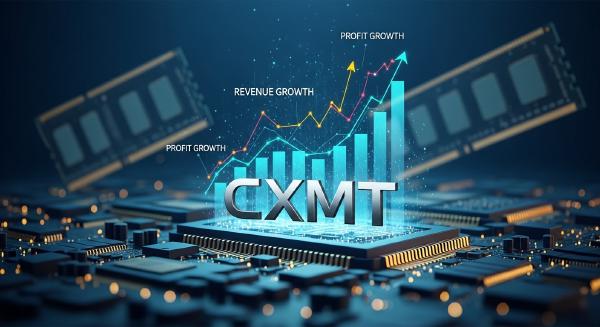
At NVIDIA’s GTC event in Berlin on October 23, CEO Jensen Huang said he was open to the possibility of working with China’s Changxin Memory Technologies (CXMT). His comments sparked renewed enthusiasm across China’s memory sector, with CXMT-related shares reportedly rising sharply during afternoon trading and Hong Kong-listed GigaDevice also gaining.
The market reaction highlights how closely semiconductor investors are watching the intersection of AI infrastructure demand, memory supply constraints, and the potential participation of Chinese manufacturers in global technology supply chains. However, an expression of openness does not amount to a confirmed procurement agreement.
🚀 Huang’s Comments Put CXMT in the Spotlight #
Asked about potential cooperation with CXMT, Huang said he was open to the idea. He also emphasized the breadth of cooperation between NVIDIA and Chinese companies, noting China’s strengths in infrastructure technology and manufacturing.
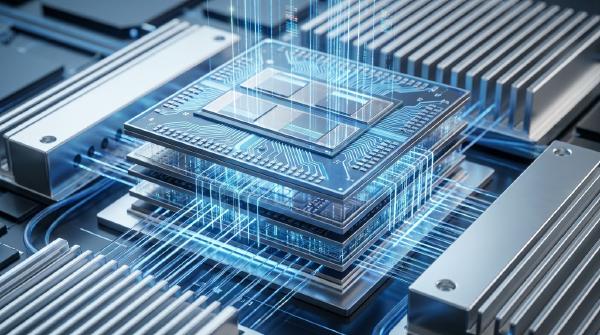
His remarks drew attention because memory has become a critical component of AI infrastructure. Modern AI systems depend on substantial memory bandwidth and capacity, from high-bandwidth memory (HBM) used alongside accelerators to low-power DRAM technologies used in a range of computing platforms.
Huang also indicated that NVIDIA would continue to rely heavily on memory technologies, including LPDDR and HBM. That demand backdrop has helped keep the memory supply chain in focus as data-center operators expand AI computing capacity.
📈 Two Factors Behind the Memory Stock Rally #
Market commentary pointed to two developments that may have contributed to the rebound in Chinese memory-related shares.
1. Persistent demand for AI memory #
Huang’s comments reinforced investor expectations that AI infrastructure will continue to consume large quantities of memory. Some analysts have argued that the risk of a broad memory oversupply before 2029 remains limited, although actual market conditions will depend on production expansion, demand growth, and the product mix.
HBM is particularly important for AI accelerators because it delivers high bandwidth in a compact package. Conventional DRAM remains essential across servers, PCs, and other computing systems. Strong demand across these categories can influence pricing and investment expectations throughout the memory industry.
2. Reported analyst optimism #
Reports also attributed part of the rally to a Goldman Sachs price-target increase for CXMT to 130 yuan per share. Such reports can amplify investor sentiment, especially when they coincide with positive industry commentary.
The combination of a prominent technology executive’s remarks and bullish analyst expectations may help explain the speed of the market response. However, reported price targets are estimates, not guarantees of future performance, and should be verified against the relevant research publication.
🧠 Why Potential Cooperation Matters #
NVIDIA’s openness toward CXMT is notable in the context of China’s efforts to develop domestic semiconductor capabilities. Greater participation by local memory suppliers could, in principle, expand sourcing options for some applications and strengthen the broader domestic semiconductor ecosystem.
The commercial significance would depend on the specific products involved, qualification requirements, supply capacity, pricing, and applicable export-control and compliance rules. None of those factors can be resolved by a general statement of willingness to cooperate.
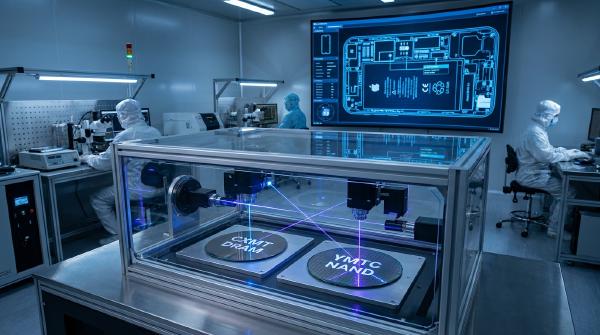
It is also important to distinguish between memory categories. CXMT is primarily associated with DRAM, while HBM requires specialized memory design, advanced packaging integration, and demanding performance and reliability characteristics. Progress in conventional DRAM does not automatically establish readiness to supply NVIDIA’s high-end AI memory requirements.
⚠️ From Openness to Orders: The Remaining Hurdles #
A possible partnership would still need to progress through several stages before it could have a measurable commercial impact:
- Product qualification: Memory must meet the technical, reliability, and platform requirements of the intended application.
- Manufacturing capacity: Suppliers must demonstrate consistent yields, volume availability, and delivery reliability.
- Technical integration: Memory products must work with the relevant processors, packaging, firmware, and system designs.
- Regulatory compliance: Any transaction must comply with applicable export controls and other legal requirements.
- Commercial terms: Pricing, supply commitments, and long-term procurement arrangements must make economic sense for both parties.
Until concrete agreements or qualified product deployments are announced, the potential relationship should be treated as a possibility rather than an established supply-chain change.
Memory is also a cyclical business. Share prices often move ahead of reported earnings and shifts in supply-demand fundamentals, which can create significant volatility when expectations change.
🔍 What to Watch Next #
The key question is whether the market’s enthusiasm can translate into measurable progress in technology, production, and commercial orders. Investors should watch for official announcements, product qualification milestones, capacity updates, and evidence of sustained memory demand rather than relying solely on short-term share-price movements.
AI’s growing appetite for memory is a real industry trend, and China’s domestic memory manufacturers are part of the wider semiconductor landscape. But a potential opening between NVIDIA and CXMT is only the beginning of the story. Its long-term significance will depend on technical execution, regulatory conditions, and whether discussions ultimately lead to actual business.