RTX 5090 Discontinuation Rumor: NVIDIA May Prioritize AI GPUs
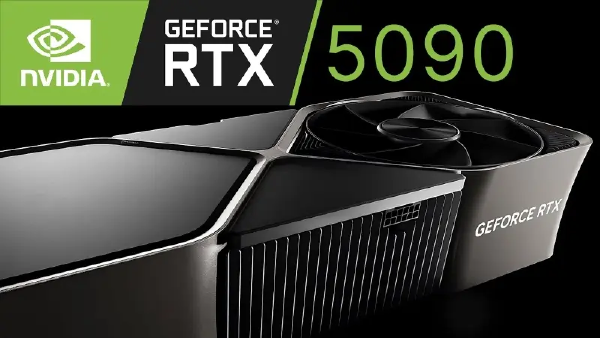
NVIDIA may be reconsidering how it allocates production capacity for its flagship Blackwell GPUs as demand for AI hardware and professional computing continues to grow. According to a report by Wccftech citing industry sources, the company could discontinue the GeForce RTX 5090 and redirect the GB202 GPUs used in the gaming flagship exclusively to its RTX PRO professional product line. At the same time, a 24GB version of the GeForce RTX 5080 may be under consideration as an alternative for high-end gamers.
Neither development has been officially confirmed by NVIDIA. Similar reports about the RTX 5090’s potential discontinuation have surfaced previously, and NVIDIA reportedly denied such claims in November 2025. The latest information should therefore be treated as an unverified supply chain rumor rather than a confirmed change to NVIDIA’s product roadmap.
🔎 RTX 5090 Discontinuation: What the Rumor Claims #
The latest supply chain report suggests that NVIDIA may stop producing the GeForce RTX 5090 and reallocate its GB202 GPU supply to professional RTX PRO products.
If implemented, this change would represent a significant shift in NVIDIA’s high-end graphics strategy, potentially prioritizing professional visualization, workstation computing, and AI-related workloads over flagship consumer gaming products.
A rumored 24GB GeForce RTX 5080 could provide another option for enthusiasts who need additional VRAM but cannot access the RTX 5090 or do not want to pay flagship-level prices.
However, NVIDIA has not confirmed a production halt or announced a 24GB RTX 5080. According to a PCMag report published in November 2025, NVIDIA previously rejected claims that the RTX 5090 was being discontinued, stating that the GeForce RTX 50 series lineup remained in normal supply.
This history highlights the importance of distinguishing industry speculation from official product announcements.
⚙️ GB202 GPU Allocation: Gaming vs. Professional Products #
The GB202 is NVIDIA’s flagship Blackwell GPU die, serving high-end consumer gaming and professional graphics markets. Its allocation across these segments could become increasingly important as demand for AI computing hardware competes with consumer GPU requirements.
GB202 in the GeForce RTX 5090 #
Launched in January 2025, the GeForce RTX 5090 is NVIDIA’s flagship gaming graphics card. It features 32GB of GDDR7 memory and targets demanding gaming, rendering, and GPU-intensive workloads.
The RTX 5090 occupies the highest performance tier in NVIDIA’s consumer GeForce lineup. If production were reduced or discontinued, the resulting supply constraints could affect enthusiast GPU availability and pricing.
However, reduced production would not necessarily mean an immediate end to retail availability. Existing inventory, distribution agreements, and regional stock levels could continue to influence the market.
GB202 in the RTX PRO Product Line #
NVIDIA also uses GB202-based GPUs in its professional RTX PRO lineup, which targets workstation rendering, engineering, simulation, and AI-related computing.
The professional models identified in the report include:
- RTX PRO 6000: 96GB of VRAM.
- RTX PRO 5500: 84GB of VRAM.
- RTX PRO 5000: 72GB or 48GB VRAM configurations.
These professional graphics cards offer substantially more memory than the RTX 5090, potentially making them better suited to workloads involving large datasets, complex 3D scenes, and memory-intensive AI applications.
Nevertheless, VRAM capacity alone does not determine professional GPU performance. Compute throughput, memory bandwidth, software compatibility, application certification, and workload-specific optimization also influence product selection.
Why NVIDIA Might Prioritize Professional GPUs #
Several market factors could explain a potential adjustment to GB202 production allocation.
1. Growing AI hardware demand
AI model training, inference, and enterprise computing continue to drive demand for high-performance GPUs. Professional products may provide NVIDIA with additional opportunities to serve customers whose requirements differ significantly from those of gaming consumers.
2. Rising DRAM and component costs
Increasing memory prices and supply chain constraints can affect GPU manufacturing costs. If component availability becomes limited, manufacturers may need to prioritize products according to profitability, customer commitments, and strategic demand.
3. Professional product economics
The RTX 5090 has reportedly reached market prices exceeding $6,000 in some instances, approaching pricing levels associated with professional graphics products. RTX PRO cards, meanwhile, offer larger memory capacities and features designed for professional environments.
These factors could make professional GPUs attractive from a business perspective. However, NVIDIA has not disclosed the margins, manufacturing costs, or allocation decisions necessary to establish whether this is the company’s actual strategy.
4. Different workload requirements
Gaming workloads generally prioritize rendering performance, frame rates, and latency. Professional AI and workstation workloads may place greater emphasis on VRAM capacity, application compatibility, reliability, and software support.
These differences could influence production priorities if GB202 supply becomes constrained.
Despite these potential incentives, there is no confirmed evidence that NVIDIA has finalized a plan to allocate all GB202 production exclusively to RTX PRO products.
🧠 Rumored 24GB RTX 5080: Specifications and Pricing #
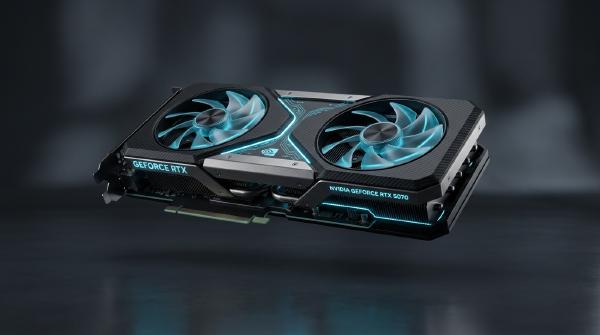
Another notable detail in the report is a potential 24GB version of the GeForce RTX 5080. If released, this model could offer high-end gamers additional graphics memory without requiring them to purchase the RTX 5090 or a professional workstation GPU.
Expected GDDR7 Memory Configuration #
The standard GeForce RTX 5080 features 16GB of GDDR7 memory connected through a 256-bit memory interface.
According to the rumor, the proposed 24GB model could use 3GB GDDR7 memory modules instead of the 2GB modules associated with the standard configuration. The memory interface is expected to remain 256-bit, although NVIDIA has not confirmed these specifications.
| Specification | Standard RTX 5080 | Rumored 24GB RTX 5080 |
|---|---|---|
| GPU architecture | Blackwell | Blackwell |
| VRAM capacity | 16GB GDDR7 | 24GB GDDR7 |
| Memory module capacity | 2GB | 3GB |
| Memory interface | 256-bit | Expected 256-bit |
| Memory speed | Official specification available | Unconfirmed |
| Power consumption | Official specification available | Unconfirmed |
| Launch MSRP | $999 | Unconfirmed |
| Rumored price | Not applicable | $1,999–$2,999 |
A 24GB configuration would increase available VRAM by 50% compared with the standard 16GB model. This could benefit workloads that are limited by memory capacity, including high-resolution gaming, 3D content creation, and certain local AI inference tasks.
However, a 50% increase in VRAM does not translate directly into a 50% performance improvement. Actual results depend on GPU compute resources, memory bandwidth, application behavior, and whether the workload exceeds the capacity of the smaller model.
The rumored specifications also resemble those previously associated with a potential RTX 5080 SUPER. Nevertheless, there is insufficient verified information to determine whether the reports refer to the same product or separate development plans.
Potential Memory Bandwidth and Power Requirements #
If the rumored 24GB RTX 5080 retains a 256-bit memory interface, its memory bandwidth will depend primarily on the effective GDDR7 data rate.
Higher memory speeds could increase bandwidth, but the report does not provide confirmed transfer rates or clock specifications. A revised memory configuration could also affect power consumption, board design, cooling requirements, and manufacturing costs.
These details remain speculative until NVIDIA publishes an official specification sheet.
Rumored Pricing: $1,999 to $2,999 #
The report estimates that the potential 24GB RTX 5080 could be priced between $1,999 and $2,999.
For comparison, the standard 16GB RTX 5080 launched with a manufacturer’s suggested retail price of $999. Reported retail prices have ranged from $1,499 to $1,999 in some markets and periods.
If the rumored pricing proves accurate, the 24GB model would occupy a substantially higher price tier than the standard RTX 5080. Its value proposition would depend on whether the additional VRAM, memory performance, and any other hardware improvements justify the premium.
These estimates are not confirmed retail prices. They should not be interpreted as evidence that NVIDIA has approved the product for commercial release.
📊 Potential Impact on the GPU Market #
If NVIDIA reduces RTX 5090 production while introducing a higher-memory RTX 5080, several market effects could follow. Each outcome depends on whether the reported plans are accurate and how NVIDIA implements any production changes.
RTX 5090 Availability and Pricing #
A sustained reduction in RTX 5090 supply could put upward pressure on retail prices if demand remains strong among gamers, creators, and AI developers.
However, pricing would also depend on existing inventory, regional distribution, retailer behavior, competing products, and overall demand. A production rumor alone is insufficient to predict future retail prices reliably.
Greater Segmentation Between Gaming and AI GPUs #
Redirecting GB202 capacity toward professional products would reinforce the distinction between consumer gaming graphics cards and enterprise-oriented GPUs.
For NVIDIA, this could provide greater flexibility in serving workstation and AI customers. For consumers, it could mean fewer flagship gaming cards available at competitive prices.
The broader impact would depend on the scale of any production adjustment and whether NVIDIA could expand manufacturing capacity or allocate other GPU dies to its consumer lineup.
More VRAM in Consumer Graphics Cards #
A 24GB RTX 5080 could occupy a position between the standard 16GB RTX 5080 and the 32GB RTX 5090.
Additional VRAM can be valuable for demanding games, high-resolution textures, 3D rendering, and selected local AI applications. Developers running local AI models may also benefit when a larger memory pool allows a model or workload to fit within GPU memory.
However, actual feasibility depends on model architecture, quantization, context length, runtime overhead, and other resource requirements. Compute performance, memory bandwidth, and software compatibility remain important considerations.
For buyers, the key question would be whether the 24GB model delivers enough practical performance and capacity to justify its rumored price.
🛡️ Official Confirmation Remains Pending #
Based on the currently reported information, neither the potential discontinuation of the GeForce RTX 5090 nor the proposed 24GB RTX 5080 has been confirmed by NVIDIA.
Previous reports about the RTX 5090’s possible discontinuation were reportedly denied in November 2025, reinforcing the need to evaluate recurring supply chain claims cautiously.
The available information supports several limited conclusions:
- NVIDIA may face competing demand for GB202-based gaming and professional GPUs.
- AI hardware demand and component costs could influence GPU production allocation.
- A 24GB RTX 5080 has been rumored, but its specifications, release schedule, and pricing remain unverified.
- No confirmed announcement establishes that the RTX 5090 is being discontinued or that all GB202 production will be reserved for RTX PRO products.
Until NVIDIA publishes an official announcement or updated product specifications, consumers should base purchasing decisions on available products, verified hardware specifications, and actual retail prices rather than unconfirmed product plans.