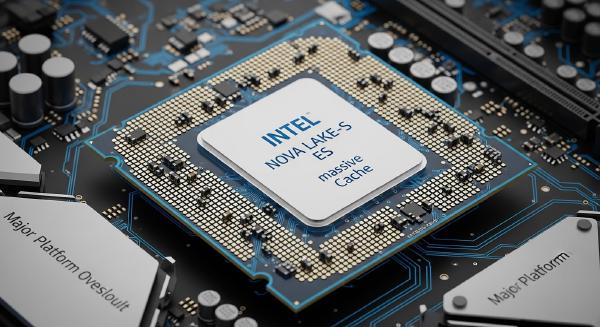
Intel Razor Lake Leak Suggests Most 2027 CPUs Are Rebrands
A newly leaked roadmap for Intel’s upcoming Razor Lake processor family suggests that the company’s 2027 CPU lineup may be far less revolutionary than many enthusiasts previously expected.
According to information shared by well-known hardware leaker MLID (Moore’s Law Is Dead), only a small portion of the Razor Lake lineup will feature genuinely new CPU architectures. The majority of products — especially mainstream and lower-tier models — are reportedly rebrands or lightly refreshed versions of the previous-generation Nova Lake silicon.
If accurate, the leak reveals a strategy increasingly common in the semiconductor industry: concentrate architectural innovation on premium products while extending the commercial lifespan of mature designs across mass-market segments.
For consumers, understanding this distinction early could prevent unnecessary upgrade spending once the lineup officially launches.
🔍 Razor Lake Appears to Be a Refresh, Not a Ground-Up Redesign #
Prior to this leak, many enthusiasts expected Razor Lake to represent a major architectural leap for Intel.
Rumors had previously suggested the platform might serve as Intel’s next large-scale response to future AMD Zen 6 and Zen 7 competition expected around the 2027 timeframe.
However, the leaked roadmap paints a different picture.
Rather than introducing an entirely new architectural generation, Razor Lake reportedly resembles the historical transition from:
- Alder Lake → Raptor Lake
In other words, Razor Lake appears to be:
- An optimization-focused refresh
- Built heavily on Nova Lake foundations
- Featuring selective architectural upgrades only at the high end
This strategy allows Intel to preserve release cadence and platform continuity while reducing development complexity and manufacturing risk.
🧠 Only Premium Razor Lake Models Get New CPU Cores #
According to the leak, the genuinely new architecture work is concentrated exclusively in flagship desktop and mobile products.
High-End Desktop and HX Mobile Chips #
The top-tier S-series desktop CPUs and HX-series mobile processors are expected to receive:
- Griffin Cove P-cores
- Arctic Wolf E-cores
These new cores reportedly deliver improved IPC (Instructions Per Clock) performance and represent the primary architectural advancement inside Razor Lake.
The high-end chips are also expected to support:
- Intel’s bLLC cache technology
- Continued LGA1954 socket compatibility
- Higher-end enthusiast configurations
The inclusion of bLLC cache is particularly notable because it reportedly functions similarly to AMD’s 3D V-Cache approach, potentially improving gaming and cache-sensitive workloads significantly.
⚙️ Leaked Compute Die Configurations #
The roadmap leak suggests three major high-end compute die variants.
Standard Performance Configuration #
8P + 16EEnhanced Cache Variant #
8P + 16E + bLLC cacheFlagship Dual-Die Model #
Up to 52 coresInterestingly, the maximum core count ceiling reportedly remains unchanged from Nova Lake.
Instead of dramatically scaling core counts further, Intel appears to focus on:
- IPC improvements
- Cache optimization
- Platform refinement
- Power efficiency adjustments
This may reflect broader industry realities where thermal density, interconnect scaling, and power consumption increasingly constrain brute-force core expansion.
🖥️ Most Mainstream Products Are Reportedly Rebrands #
The most controversial part of the leak is the claim that the majority of Razor Lake products will simply reuse Nova Lake silicon.
Affected segments reportedly include:
- U-series mobile processors
- P-series mobile processors
- H-series laptop chips
- Low-power UL products
- Entry-level desktop Core Ultra 3 and 5 models
These products would allegedly receive:
- New branding
- Updated model numbers
- Minor firmware optimizations
but no meaningful architectural redesign.
Even previously rumored AX-series integrated graphics products are reportedly recycled projects with essentially unchanged specifications.
If true, this means over 70% of the Razor Lake lineup may consist primarily of rebranded or lightly refreshed hardware.
💰 What This Means for Consumers #
For mainstream buyers, this leak carries an important practical implication:
There may be little reason to pay premium launch pricing for mid-range Razor Lake systems.
If most mainstream Razor Lake products are functionally identical to Nova Lake, consumers could potentially achieve nearly the same user experience by purchasing discounted Nova Lake systems once Razor Lake enters the market.
This is especially relevant for:
- Thin-and-light laptops
- Mid-range gaming notebooks
- Mainstream desktop PCs
- Productivity-focused consumer systems
In these categories, price-to-performance efficiency may favor older-generation inventory heavily.
🎮 Who Should Actually Wait for Razor Lake? #
According to the leaked positioning, the users most likely to benefit from premium Razor Lake models include:
- Enthusiast gamers
- High-end workstation users
- AI and rendering workloads
- Heavy multitasking environments
- Users specifically seeking large cache benefits
- Buyers targeting maximum multi-core density
The flagship models may still offer meaningful gains through:
- Improved P-core IPC
- Advanced cache configurations
- Better power management
- High-end platform tuning
For these buyers, the new architectures could justify waiting for launch.
🔌 Socket Compatibility Lowers Upgrade Costs #
One positive aspect of the leak is continued LGA1954 socket compatibility between Nova Lake and Razor Lake.
This suggests existing platform owners may upgrade CPUs without replacing:
- Motherboards
- Cooling infrastructure
- Entire platform ecosystems
Socket continuity has become increasingly valuable as motherboard costs continue rising alongside more complex power delivery and memory support requirements.
For enthusiast users, avoiding a full platform rebuild can significantly reduce total upgrade expense.
🏭 Why Intel May Be Following This Strategy #
The reported Razor Lake roadmap reflects several broader realities currently shaping the semiconductor industry.
Slower Node Advancement #
Manufacturing node progress has become increasingly difficult and expensive.
Each new process generation requires enormous:
- R&D investment
- Yield optimization
- Packaging refinement
- Validation effort
As a result, companies increasingly maximize the lifespan of existing architectures.
Better Margins on High-End Products #
High-end CPUs generate substantially better gross margins.
By allocating leading-edge innovation primarily to flagship products, Intel can:
- Protect profitability
- Reduce manufacturing pressure
- Optimize wafer allocation
- Focus premium capacity where returns are highest
Maintaining Annual Release Cadence #
The PC market still expects regular annual product updates.
Rebranding mature silicon allows Intel to:
- Maintain marketing momentum
- Preserve OEM relationships
- Sustain product visibility
- Compete against AMD release cycles
without redesigning every market segment simultaneously.
⚔️ Competitive Pressure from AMD Remains Critical #
Ultimately, Razor Lake’s market success will depend heavily on AMD’s competitive positioning by 2027.
If AMD’s Zen 6 and Zen 7 architectures deliver substantial gains in:
- Performance-per-watt
- Gaming performance
- AI acceleration
- Pricing efficiency
then Intel may face stronger pressure to justify refresh-heavy product strategies.
Conversely, if Intel’s high-end Razor Lake models deliver strong gaming and workstation performance, the company could still remain highly competitive despite mainstream rebranding.
Pricing will likely determine how forgiving consumers are toward recycled silicon.
🧩 The Industry Trend Toward Selective Innovation #
The rumored Razor Lake strategy also reflects a larger trend across the semiconductor industry.
As hardware complexity increases, vendors increasingly reserve:
- New architectures
- Advanced packaging
- Cache innovations
- Leading-edge process nodes
for premium products only.
Meanwhile, mature designs continue serving mass-market segments through:
- Refresh cycles
- Renaming strategies
- Frequency optimization
- Packaging refinements
This approach balances engineering costs against commercial realities.
In many cases, mainstream users may not notice substantial real-world differences between generations anyway.
🔮 Why Leaks Like This Matter #
Roadmap leaks are never guaranteed to reflect final retail products, especially this far ahead of launch.
However, leaks from historically reliable industry sources often provide useful insight into:
- Product segmentation strategy
- Platform longevity
- Upgrade timing
- Consumer purchasing decisions
For enthusiasts and enterprise buyers planning multi-year platform investments, understanding potential refresh cycles early can help avoid unnecessary upgrade spending.
🏁 Conclusion #
If current leaks are accurate, Intel Razor Lake will likely represent a selective refinement generation rather than a sweeping architectural overhaul.
The company appears to be concentrating genuine innovation into premium flagship products while extending Nova Lake silicon across most mainstream and lower-end segments.
For average consumers, that could actually be good news.
By the time Razor Lake launches, discounted Nova Lake systems may offer nearly identical real-world experiences at significantly lower prices.
Meanwhile, high-end enthusiasts and workstation users may still benefit from the genuinely new architectural improvements reserved for Razor Lake’s flagship models.
Ultimately, the success of this strategy will depend on launch pricing, competitive pressure from AMD, and whether consumers continue accepting annual refresh cycles built increasingly around platform optimization rather than revolutionary hardware changes.